Uncovering Connections Between Training Load Variations and Probabilistic Adjustments in Endurance and Precision-Based Athletic Events Across Multiple Disciplines
Finley Klein · Jul 6, 2026
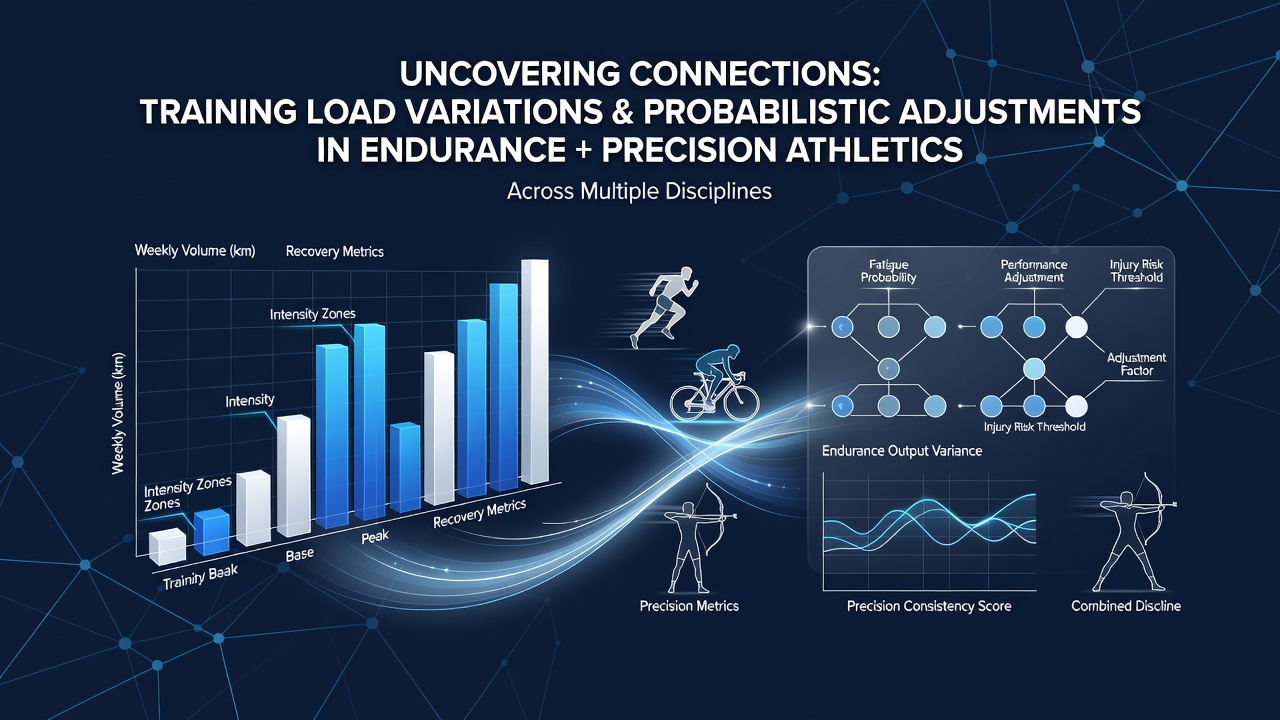
Uncovering Connections Between Training Load Variations and Probabilistic Adjustments in Endurance and Precision-Based Athletic Events Across Multiple Disciplines
Training load variations play a central role in how athletes prepare for events that combine endurance demands with precision requirements, and researchers continue to map these patterns onto probabilistic models that forecast performance outcomes. Studies from multiple disciplines show that adjustments in volume, intensity, and recovery periods influence the likelihood of peak execution in sports such as triathlon, modern pentathlon, archery combined with running segments, and shooting events that require sustained focus over long durations. Data collected through wearable sensors and performance tracking systems reveals consistent relationships between load fluctuations and shifts in success probabilities across these fields.
Measuring Training Load in Mixed-Demand Sports
Coaches and sports scientists quantify training load through a combination of external metrics like distance covered, power output, and session duration alongside internal measures including heart rate variability and perceived exertion scores. In endurance-plus-precision disciplines the balance becomes particularly delicate because excessive volume can elevate fatigue that directly reduces accuracy in shooting or aiming tasks while insufficient load leaves athletes underprepared for the aerobic component. Research conducted at institutions in Australia and Canada indicates that weekly load increases exceeding 10 percent correlate with measurable drops in precision performance during simulated competition scenarios.
Periodization frameworks divide the calendar into phases where load deliberately rises and falls to allow adaptation, yet the probabilistic impact of these swings requires ongoing monitoring. Teams working with elite triathletes, for example, integrate GPS and accelerometer data to calculate acute-to-chronic workload ratios, then feed those ratios into statistical models that estimate the chance of maintaining target heart rates during final shooting stages. Observers note that athletes who maintain ratios between 0.8 and 1.3 demonstrate higher consistency in both speed and accuracy metrics over multi-day events.
Probabilistic Models and Performance Forecasting
Probabilistic adjustments rely on historical datasets that link specific load profiles to outcome distributions in competition. These models incorporate variables such as sleep duration, nutritional intake, and environmental conditions alongside training metrics to generate updated probability estimates for finishing times or hit rates. European research groups have published work showing that incorporating real-time load data improves forecast accuracy by 12 to 18 percent compared with models that rely solely on past competition results.
During July 2026 several international federations released updated guidelines encouraging the use of machine-learning tools that recalibrate probabilities after each training block. The approach allows support staff to identify when an athlete's current load trajectory moves outside expected parameters and to adjust upcoming sessions accordingly. One study tracking archers who also compete in endurance segments found that a two-week reduction in running volume produced a statistically significant rise in target accuracy, shifting modeled success rates upward by roughly seven percentage points in subsequent events.
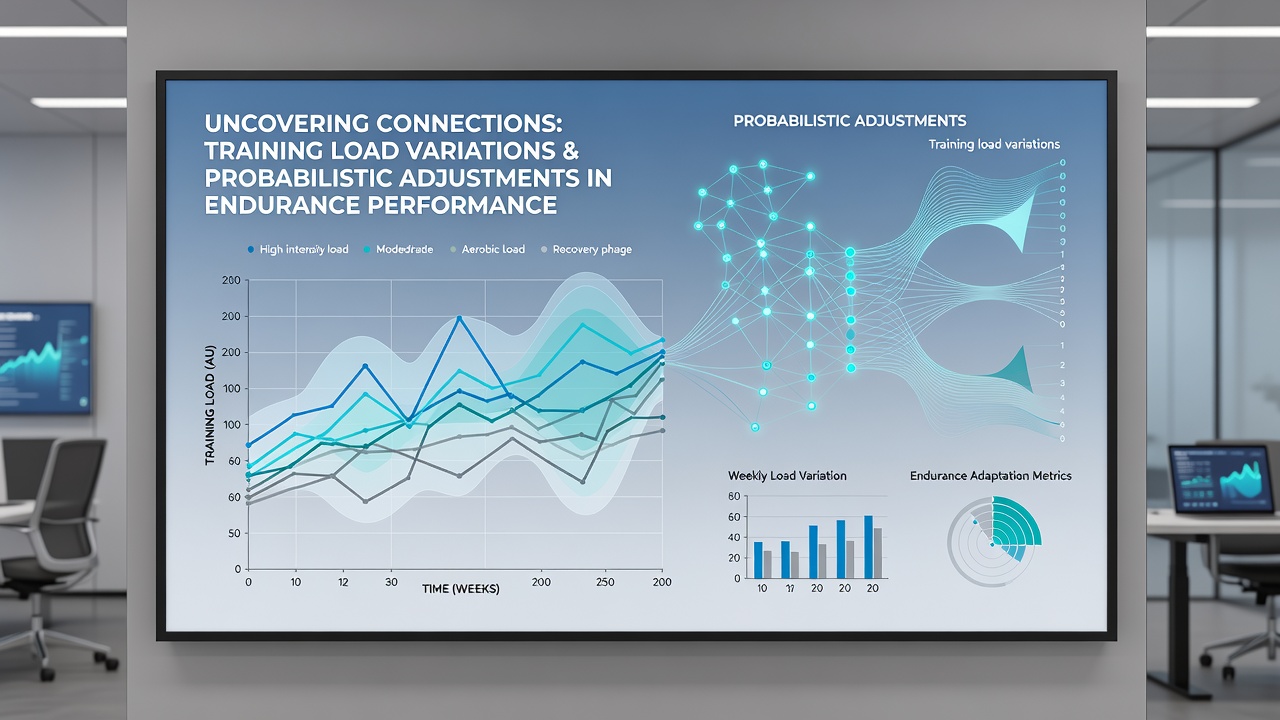
Cross-Disciplinary Patterns and Case Examples
Patterns emerge when comparing data across shooting sports, orienteering combined with precision navigation, and adventure racing formats that blend long-duration effort with skill-based checkpoints. Analysts observe that load spikes in the week before competition tend to compress the probability distribution of outcomes, increasing both upside potential and downside risk. In contrast, tapered loads that reduce volume by 30 to 40 percent while preserving intensity often narrow the distribution toward higher expected performance levels.
A project involving Canadian national team pentathletes documented how individualized load prescriptions derived from probabilistic modeling led to more stable results across a season of international competitions. The same methodology has been applied in Australian rowing programs that include precision steering elements during long-distance sessions, demonstrating transferability between disciplines. Those working with the data emphasize that the key lies in continuous recalibration rather than static thresholds because individual responses to load vary considerably.
Technological Integration and Future Directions
Wearable devices now stream data directly into cloud platforms that run probabilistic simulations updated daily. These systems generate alerts when projected load trajectories suggest elevated injury risk or diminished precision likelihood, prompting coaches to modify plans before problems materialize. Academic groups in Scandinavia have begun publishing open datasets that allow independent researchers to test new modeling approaches against real athlete records, accelerating collective understanding of the load-probability relationship.
Integration with environmental sensors adds another layer, because temperature, humidity, and altitude alter both the physiological cost of endurance work and the fine-motor control required for precision tasks. Models that include these contextual variables produce more robust forecasts, particularly for events held in variable outdoor conditions. Federations across North America and Asia have started requiring standardized reporting of training load metrics as part of athlete monitoring protocols, creating larger pooled datasets for future analysis.
Conclusion
Evidence continues to accumulate that deliberate management of training load variations can be translated into probabilistic adjustments that support better decision-making across endurance and precision athletic events. Multiple disciplines supply converging data points showing measurable links between load profiles and performance distributions, while technological tools make real-time updates increasingly practical. Ongoing collaboration between sports scientists, coaches, and data specialists promises further refinement of these connections in the seasons ahead.