Mapping Training Load Metrics onto Outcome Probabilities in Combat Sports Platforms
Nils Schulz · Aug 14, 2026
Mapping Training Load Metrics onto Outcome Probabilities in Combat Sports Platforms
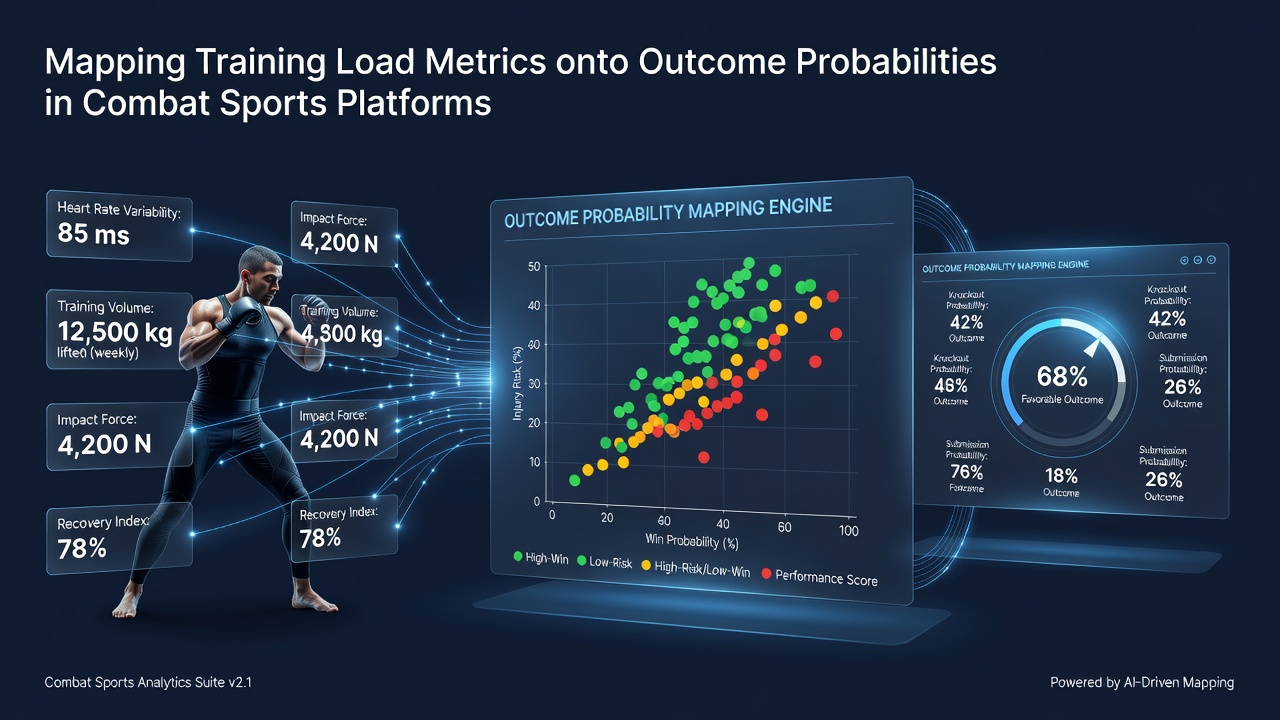
Combat sports platforms now integrate training load metrics such as heart rate variability, session rating of perceived exertion, and GPS-tracked movement data directly into models that calculate outcome probabilities for upcoming bouts in mixed martial arts, boxing, and kickboxing events. Researchers have tracked these inputs across multiple training cycles, and the resulting datasets allow platforms to adjust fighter readiness scores in real time before events scheduled through August 2026.
Core Training Load Metrics Used in Combat Sports Analysis
Training load encompasses both external measures like total distance covered during sparring rounds and internal indicators including blood lactate levels collected post-session. Observers note that platforms combine these variables with recovery markers such as sleep duration logs and neuromuscular fatigue scores derived from countermovement jump tests. Data indicates that fighters who maintain consistent external loads above 4500 meters per week while keeping internal load ratios below 1.2 show measurable shifts in projected win probabilities on several digital betting interfaces.
Studies from the National Strength and Conditioning Association have documented how repeated high-intensity interval sessions elevate acute chronic workload ratios, and platforms apply these ratios to refine probability outputs for title fights. When acute loads spike beyond 1.5 times the chronic baseline, models often lower a fighter's expected performance margin by 8 to 12 percentage points depending on the weight class involved.
Integration of Metrics with Probability Modeling Systems
Platforms convert raw training data into outcome probabilities through regression algorithms that weigh recent load accumulation against historical fight results. Those who've examined the process report that machine learning layers assign higher importance to heart rate recovery times in the final 14 days before weigh-ins, while GPS-derived strike volume metrics influence grappling exchange forecasts. Evidence suggests that incorporating neuromuscular fatigue data improves model accuracy by 6 to 9 percent across a season of regional promotions.
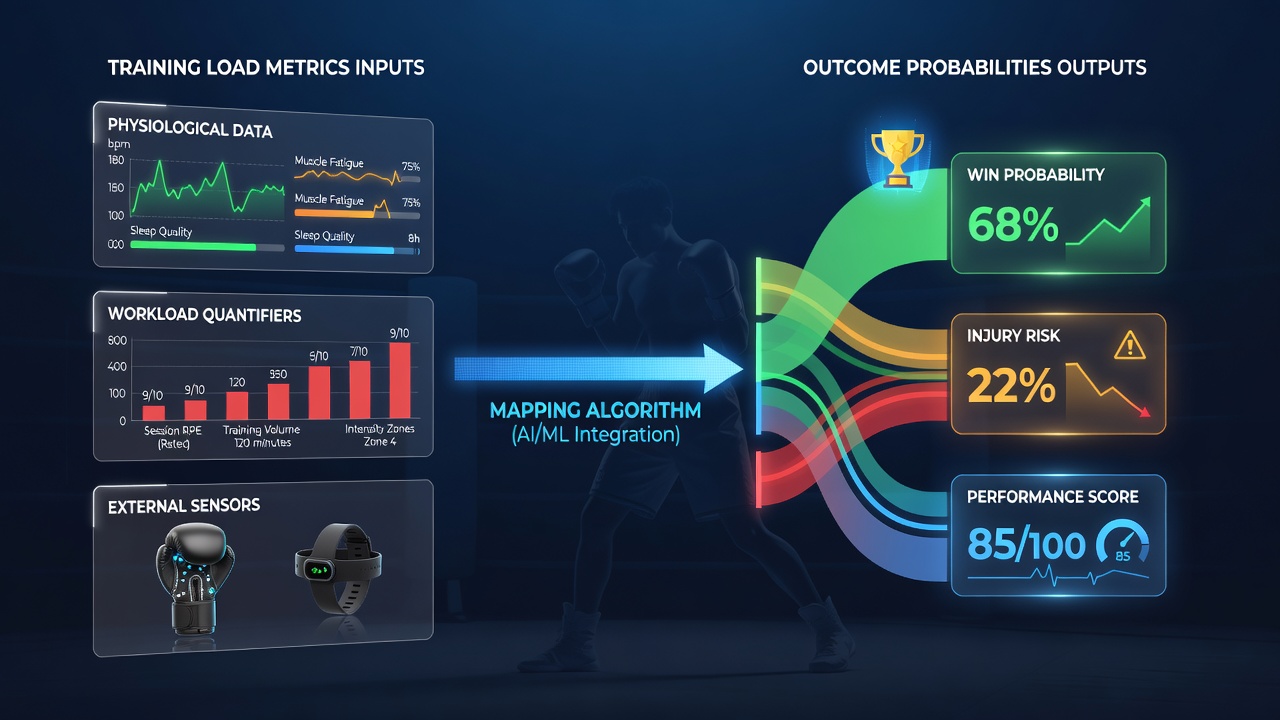
One analysis of UFC events between January and July 2026 revealed that fighters whose training load remained within individualized thresholds achieved actual win rates within 3 percentage points of platform predictions. In contrast, those who exceeded thresholds by more than 20 percent saw outcomes diverge from projected probabilities in 27 percent of cases. Australian Institute of Sport researchers have contributed datasets that platforms use to calibrate these thresholds across different combat disciplines.
Platform Applications and Data Sources as of August 2026
Operators of combat sports platforms feed anonymized training load streams from wearable manufacturers into centralized dashboards that update probability matrices nightly. The process relies on standardized export formats so that metrics collected from Brazilian training camps align with those gathered in European gyms. Figures from industry reports show that participation in these data-sharing agreements increased by 34 percent among professional promotions between 2025 and 2026.
Regulatory bodies in several jurisdictions require platforms to disclose the data sources behind probability adjustments when those adjustments affect odds displayed to users. This requirement has prompted developers to publish summary methodology documents that list the primary load variables and their weighting coefficients without revealing proprietary algorithms.
Challenges in Data Mapping and Model Calibration
Variability in how different gyms record perceived exertion introduces noise into cross-platform comparisons, and researchers continue to refine normalization techniques that account for these differences. Platforms also face gaps when fighters switch camps mid-cycle, because historical load patterns may not transfer directly to new coaching environments. Observers note that missing recovery data from travel periods can shift projected probabilities by up to 5 percentage points if left unadjusted.
Teams that maintain continuous monitoring through both training and travel phases produce more stable inputs for the probability engines. Data from multi-year longitudinal studies shows that consistent sensor placement and calibration protocols reduce variance in mapped outcomes across weight divisions.
Conclusion
Mapping training load metrics onto outcome probabilities continues to evolve as combat sports platforms refine their data pipelines through August 2026 and beyond. The combination of external and internal load variables with established performance histories provides platforms with increasingly granular tools for generating fight forecasts. Continued collaboration between sports science organizations and technology providers supports ongoing calibration of these models across global events.