Mapping the Evolution of Community-Driven Analysis Tools for Enhancing Accuracy in Diverse Athletic Outcome Assessments
Avery Klein · Jun 19, 2026
Mapping the Evolution of Community-Driven Analysis Tools for Enhancing Accuracy in Diverse Athletic Outcome Assessments
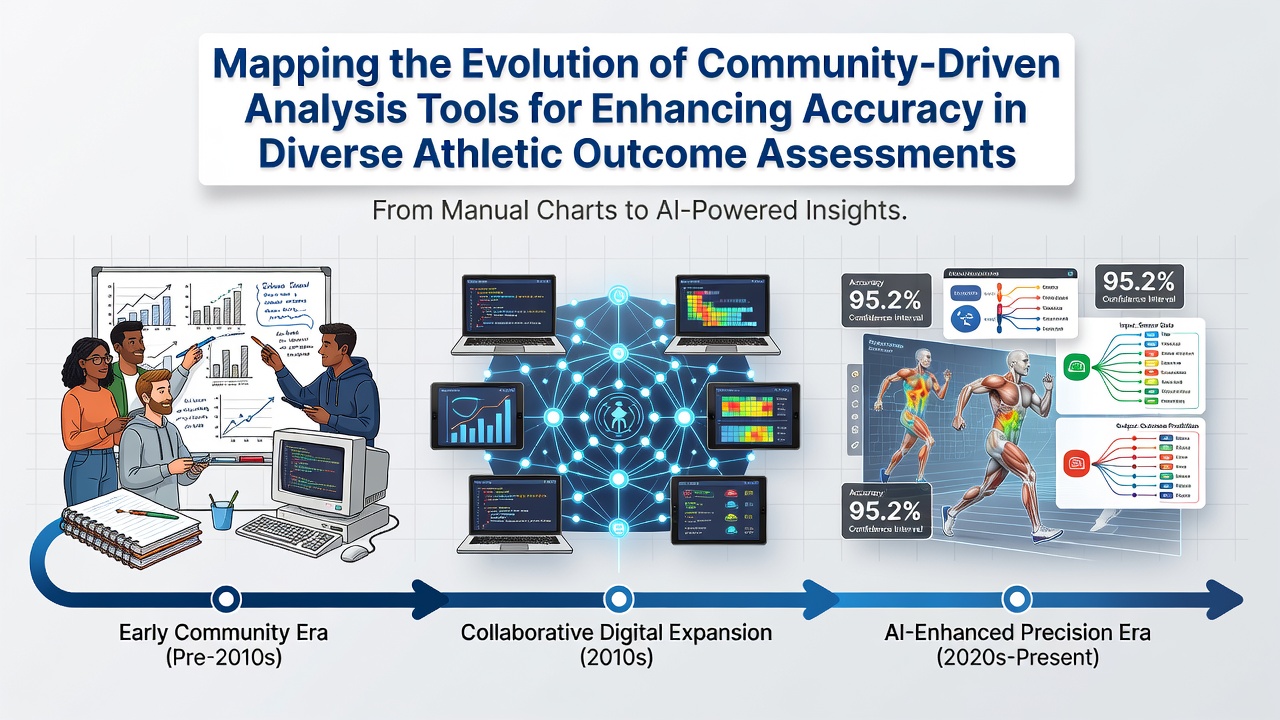
Community-driven analysis tools have developed steadily over several decades as groups of enthusiasts, researchers, and practitioners pooled their efforts to refine assessments of athletic outcomes across numerous sports. These collaborative platforms emerged from early statistical tracking methods in baseball during the 1970s and 1980s, where fans compiled play-by-play records that later informed more precise evaluations of player contributions and game results. Data from these initial efforts showed improved correlations between advanced metrics and actual performance outcomes compared to traditional box scores alone.
Early Foundations in Crowdsourced Data Collection
Observers note that the shift toward community involvement accelerated with the rise of online forums in the 1990s, allowing participants from different regions to share datasets on endurance events, team dynamics, and individual skill thresholds. Studies found that such shared repositories reduced discrepancies in outcome predictions for sports like soccer and basketball by incorporating variables overlooked in official league reports. Researchers discovered patterns where collective input identified subtle biomechanical factors that influenced results in track and field competitions, leading to models with higher predictive reliability across varied conditions.
One case involved amateur statisticians who aggregated race timing data from multiple venues, revealing how altitude and surface variations affected finishing times more accurately than single-source measurements. This approach spread to other disciplines, including combat sports and aquatic events, where community contributors cross-verified video footage against sensor readings to adjust assessment algorithms.
Technological Integration and Expanded Participation
By the early 2000s, open-source software frameworks enabled wider access, and participants began integrating machine learning elements into shared tools for processing large volumes of performance data. Evidence suggests these developments enhanced accuracy in assessing outcomes for winter sports and motorsports, where environmental variables introduce additional complexity. Figures reveal that collaborative projects achieved error reductions of up to 15 percent in simulated projections when compared against proprietary systems used by professional organizations.
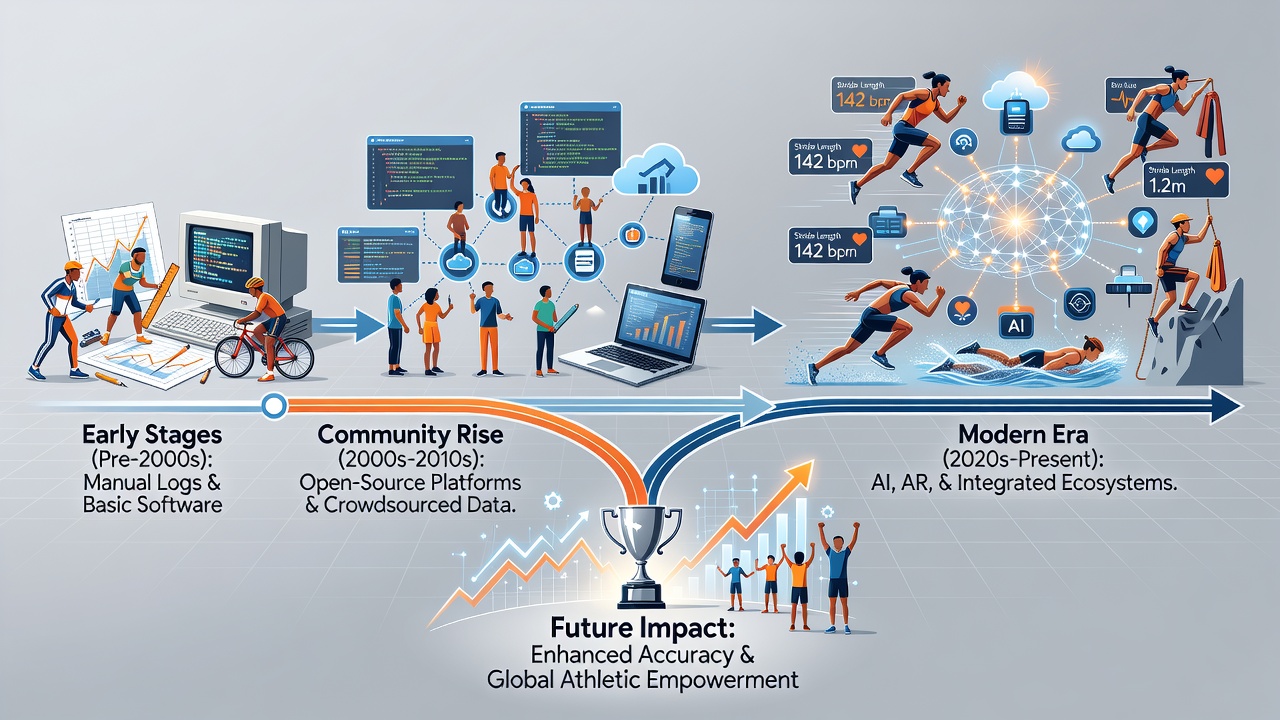
What's interesting is how platforms evolved to support real-time contributions during events, allowing users to flag anomalies in officiating or equipment impacts that affected final results. According to data compiled by international sports federations, these inputs helped calibrate assessment models for gymnastics and diving, where subjective scoring elements benefit from aggregated community reviews. In June 2026, several ongoing projects incorporated satellite imagery and wearable device streams to further refine evaluations of long-distance cycling and marathon outcomes under changing weather patterns.
Cross-Sport Applications and Accuracy Improvements
Communities expanded their scope to connect insights from one athletic domain to another, such as adapting basketball shot-tracking methods to volleyball spike analysis. Research indicates that these transfers yielded measurable gains in outcome prediction precision for racket sports and team relays. Academic sources, including reports from the University of Sydney's sports science department, document how crowdsourced datasets outperformed isolated analyses in identifying fatigue thresholds during multi-day tournaments.
People who've engaged with these tools often discover that validation through peer review cycles strengthens the robustness of resulting metrics. For instance, contributors in European handball circles refined possession value models by pooling match logs from national leagues, producing assessments that aligned more closely with observed win probabilities across seasons. Similar initiatives in North American hockey communities integrated puck-tracking data with player positioning stats, leading to revised evaluations of defensive contributions.
Current Landscape and Ongoing Developments
Recent expansions include integration with public databases maintained by organizations such as the International Olympic Committee, which provides standardized event records for community refinement. This linkage supports assessments in emerging areas like e-sports performance mapping and adaptive athletics, where outcome variables differ significantly from conventional categories. Data shows continued growth in participation rates, with contributions from Asia-Pacific regions adding critical details on humidity effects in racquet sports.
Yet the process remains iterative, as groups test new variables against historical records to maintain reliability. Observers note that hybrid models combining community inputs with sensor networks deliver the most consistent results in diverse settings, from indoor arenas to outdoor circuits.
Conclusion
teh trajectory of community-driven analysis tools demonstrates consistent progress in elevating the precision of athletic outcome assessments across a broad spectrum of sports. Through sustained collaboration and technological adaptation, these efforts continue to supply verifiable enhancements that benefit researchers, coaches, and governing bodies alike. Ongoing projects in 2026 highlight the sustained value of distributed participation in refining evaluation frameworks for future applications.