Bridging Athletic Metrics With Table Game Probabilities for Cross-Disciplinary Selection Processes
Avery Klein · May 18, 2026
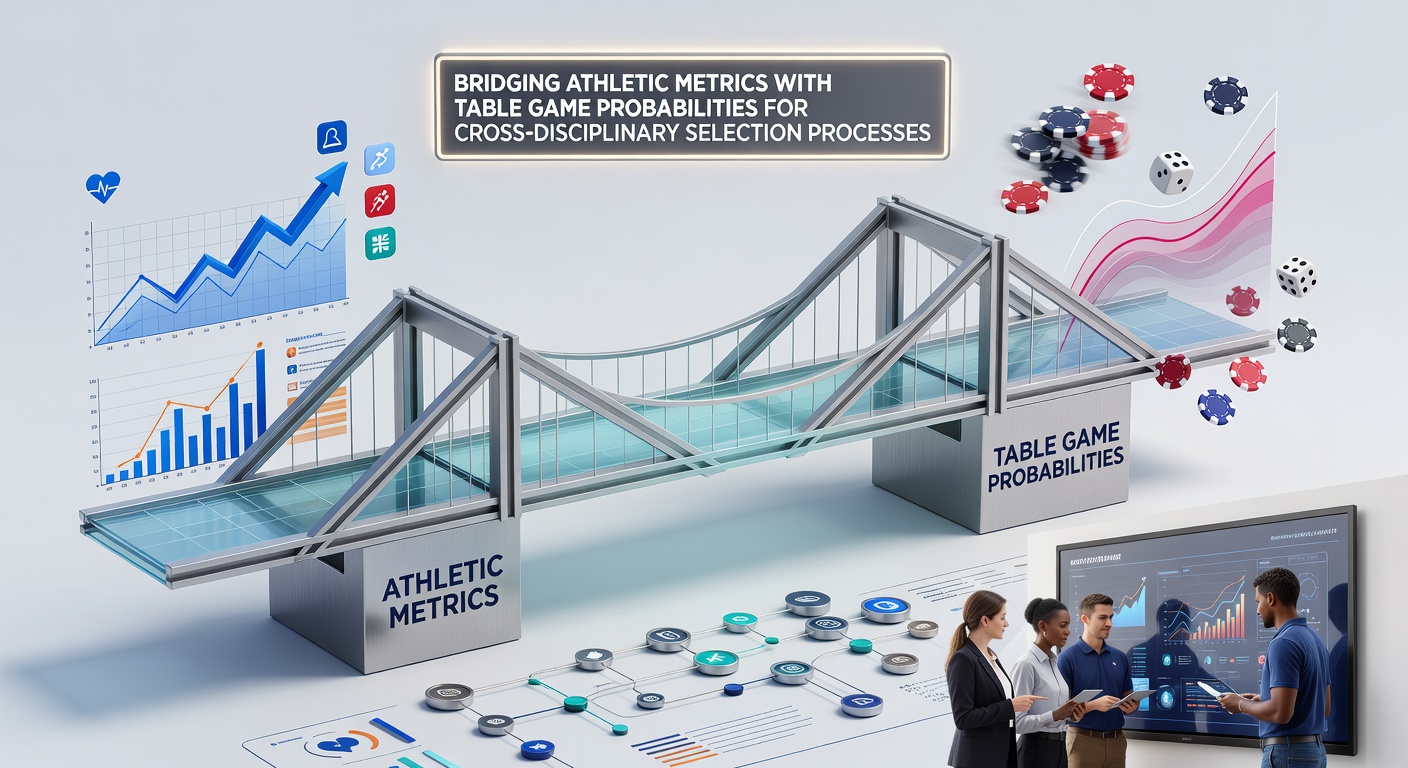
Bridging Athletic Metrics With Table Game Probabilities for Cross-Disciplinary Selection Processes
Professionals across sports management, corporate recruitment, and strategic planning have started examining how athletic performance indicators align with probability frameworks drawn from table games like poker and blackjack, creating hybrid models that support better selection decisions in varied fields. Data from endurance tests and reaction times now feed into calculations that mirror the odds structures used in casino environments, where expected value and variance play central roles in long-term outcomes. This integration gained traction as organizations sought methods to quantify intangibles such as decision-making under pressure and risk assessment during competitive scenarios.
How Athletic Data Sets Provide Measurable Inputs
Coaches and analysts collect metrics including vertical leap distances, acceleration rates from timed sprints, and shooting accuracy percentages from practice sessions, then translate these figures into comparable units that parallel the statistical edges tracked in table game play. A basketball player's field goal percentage, for instance, functions similarly to a blackjack player's hit rate when facing specific card combinations, allowing selectors to assign numerical weights that reflect consistency over multiple trials. Researchers at institutions focused on performance science note that these athletic variables, when aggregated across seasons, produce distributions that resemble the bell curves observed in repeated rounds of roulette or baccarat.
Table Game Probabilities as Analytical Templates
Table game mathematics relies on concepts such as pot odds, implied probabilities, and house edges that have been refined through decades of observation and simulation. Analysts apply these same formulas to athletic selection by modeling scenarios where an athlete faces fatigue or opponent variability, much as a poker participant evaluates bluffing frequencies against known ranges. In May 2026, updates from international sports science conferences highlighted software tools that import real-time biometric feeds and output probability scores calibrated against historical game data, giving recruiters a shared language for comparing candidates from different disciplines.
One study revealed that incorporating variance calculations from craps roll sequences helped identify athletes who maintained output stability across irregular competition schedules, a factor often overlooked in traditional scouting reports. Observers note that this method reduces reliance on subjective scouting narratives by anchoring evaluations in repeatable mathematical structures.
Cross-Disciplinary Applications in Practice
Corporate teams in technology and finance have begun piloting these combined frameworks when assembling project groups, treating leadership traits as analogous to table game aggression levels while using speed and agility scores to gauge adaptability under deadlines. A logistics firm in Australia reported improved team performance after screening candidates through simulations that blended marathon pacing data with decision trees modeled on Texas Hold'em river calls. Universities in Canada and the European Union have introduced elective courses that teach students to build these hybrid selectors, drawing on datasets from both professional leagues and regulated gaming authorities.
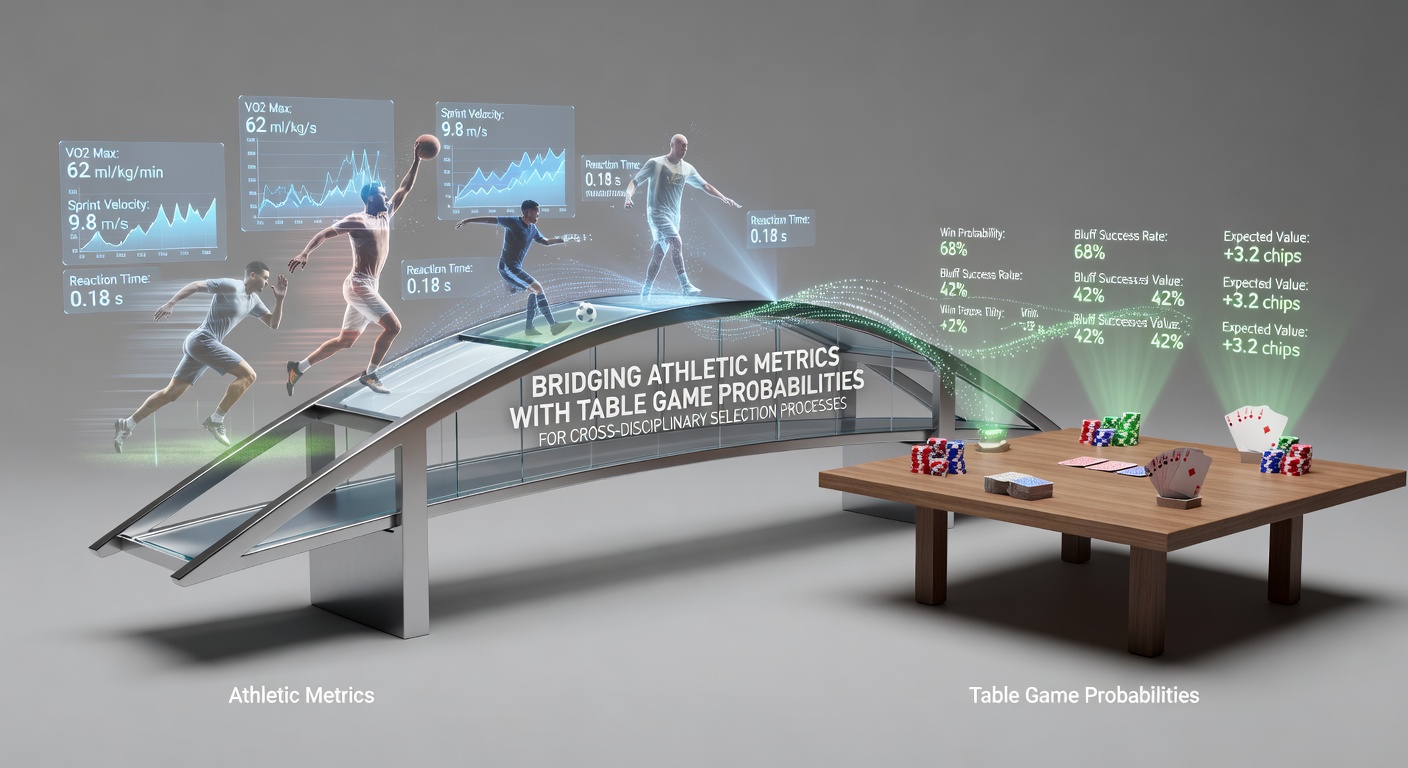
Those who've implemented the approach describe streamlined shortlisting phases because the probability layers filter out candidates whose peak performances fail to hold across extended sequences of challenges. Military recruitment programs in several nations now test similar integrations, mapping marksmanship accuracy to blackjack doubling strategies to predict performance in high-stakes environments.
Challenges in Data Alignment and Standardization
Despite the potential, practitioners encounter hurdles when converting units from athletic tracking systems into probability languages used by gaming analysts, since raw speed measurements do not directly equal hand equity percentages without intermediate scaling algorithms. Regulatory bodies such as the Government of Canada Sport Canada have issued guidelines encouraging standardized data protocols to facilitate these crossovers, while academic papers from Australian universities outline validation techniques that compare predictive accuracy before and after model fusion. Software developers continue refining interfaces that allow seamless import of both GPS-tracked movement files and Monte Carlo simulations typically reserved for casino strategy testing.
Emerging Tools and Research Developments
Recent advancements include machine learning platforms that ingest both athletic wearables data and historical table game outcome logs to generate selection matrices tailored to specific roles. A 2025 paper from a European research consortium demonstrated that teams using these matrices achieved higher retention rates in competitive environments compared with groups relying solely on conventional interviews or physical trials. Industry reports indicate growing interest from professional leagues seeking to optimize draft choices by layering probability assessments onto combine results, creating profiles that account for both physical ceilings and cognitive risk profiles.
What's interesting is how these methods scale across geographies, with programs in Asia adapting the frameworks to e-sports scouting where reaction metrics from gaming consoles merge with probability models drawn from mahjong and other strategic table formats. Observers note steady adoption in academic admissions processes as well, where standardized test performance is weighed alongside extracurricular endurance records through shared variance calculations.
Conclusion
The convergence of athletic metrics and table game probabilities continues to supply structured pathways for selection across multiple domains, supported by expanding datasets and refined computational tools. As organizations refine alignment techniques and share validation results through international forums, the methodology offers a factual basis for comparing diverse candidate pools without defaulting to unquantified impressions. Ongoing work in May 2026 and beyond will likely focus on expanding accessible platforms that let non-specialists apply these integrated models in real time.